
The Hidden Skill Behind High-Performing Teams: Active Listening
When people think about communication, they often focus on speaking clearly. But in high-performing teams, the real differentiator is listening.
Active listening is one of the fastest ways to build trust and psychological safety in “teaming” — the reality that modern work often isn’t made up of stable, long-running teams, but of people constantly coming together to solve problems in changing environments. When roles shift, pressure rises, and certainty drops, listening becomes a performance skill, not a nicety.
Trust is fundamentally about vulnerability. One of the most widely accepted definitions in organisational psychology describes trust as the willingness to be vulnerable to the actions of another. If people don’t feel heard, they don’t feel safe being vulnerable — and without vulnerability, teams default to caution, disengagement, or silence.
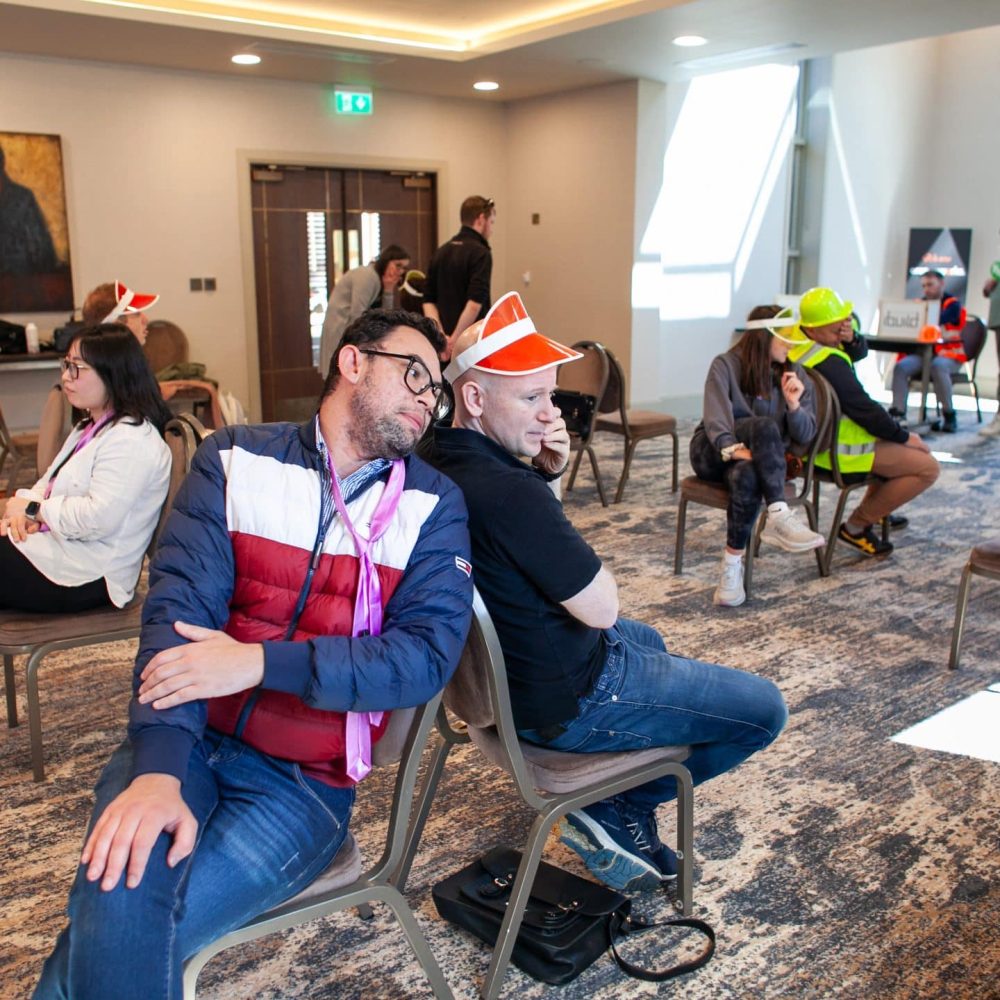
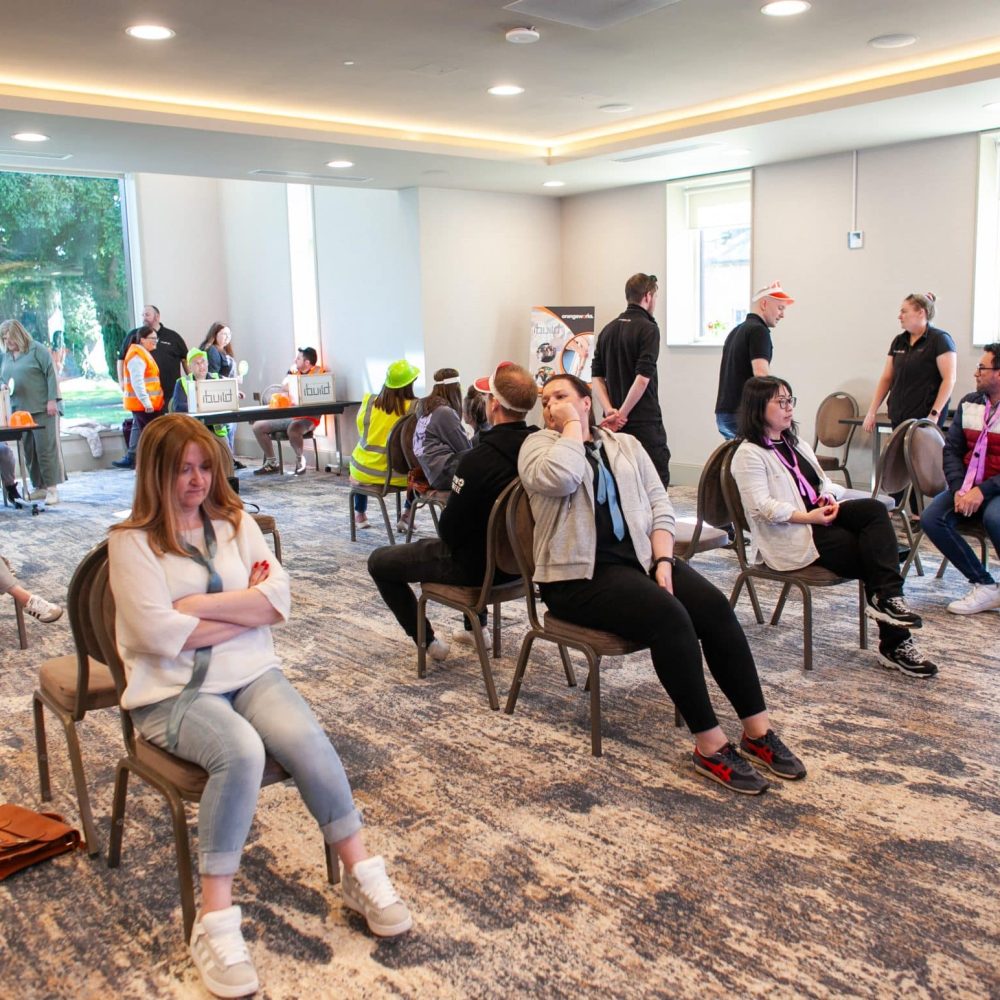
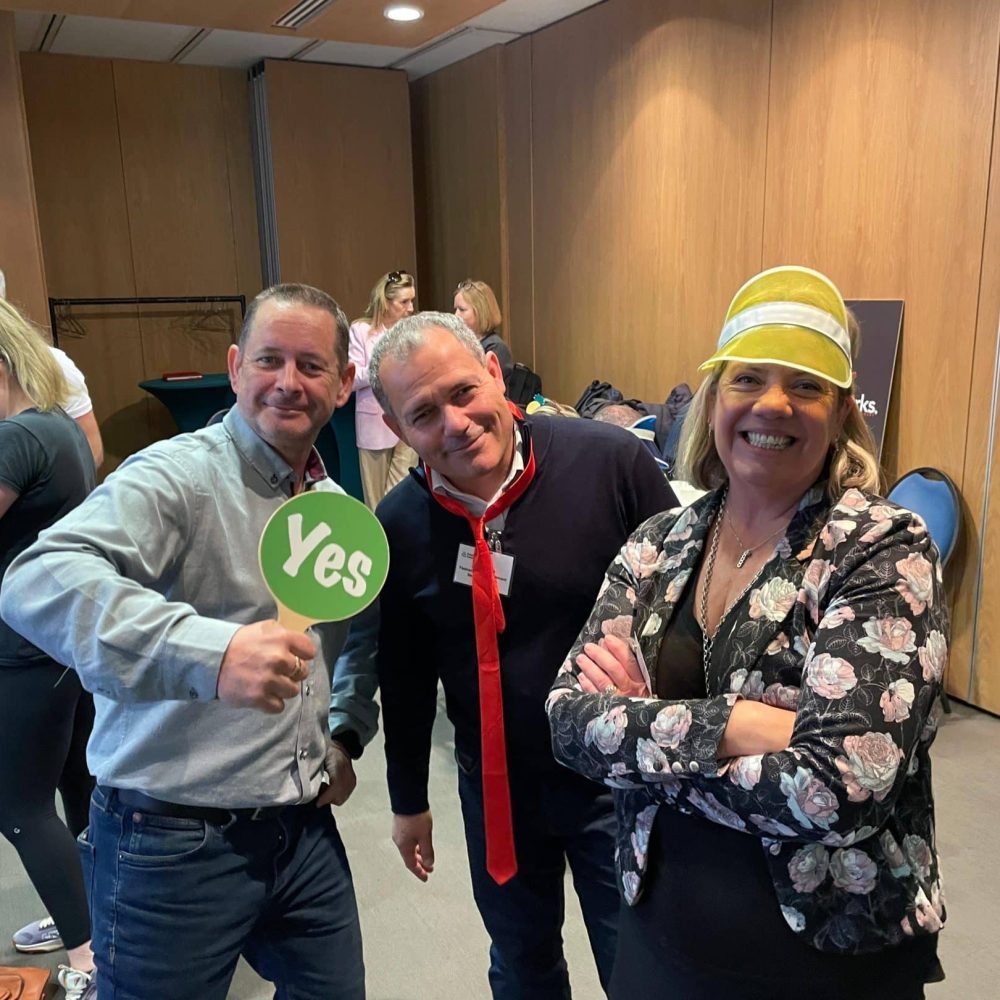
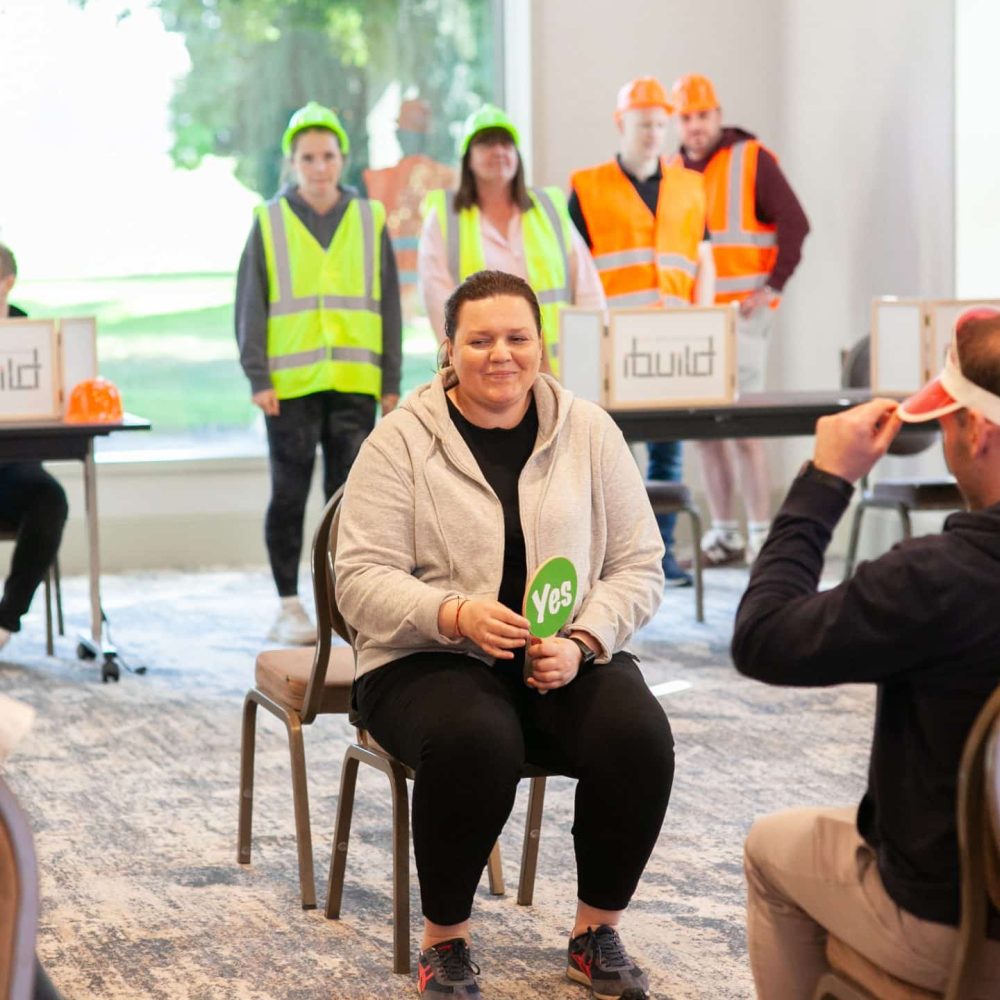
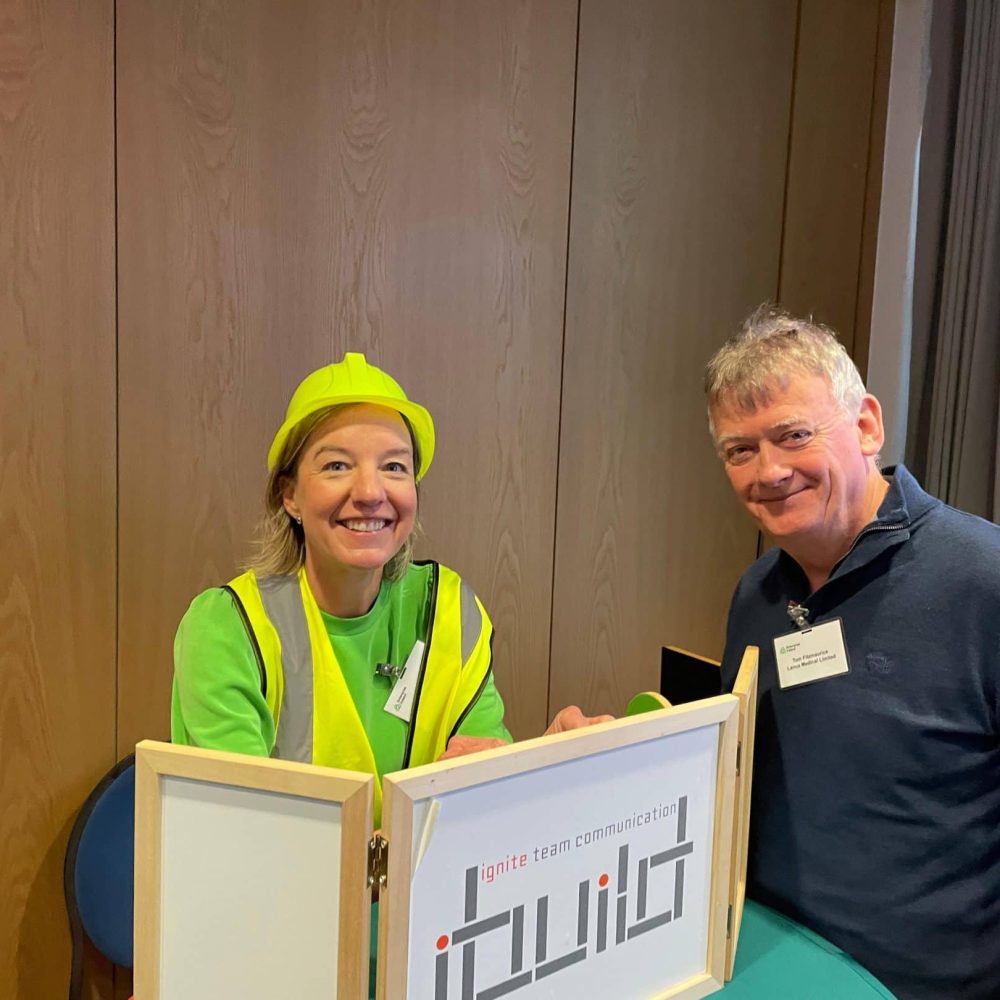
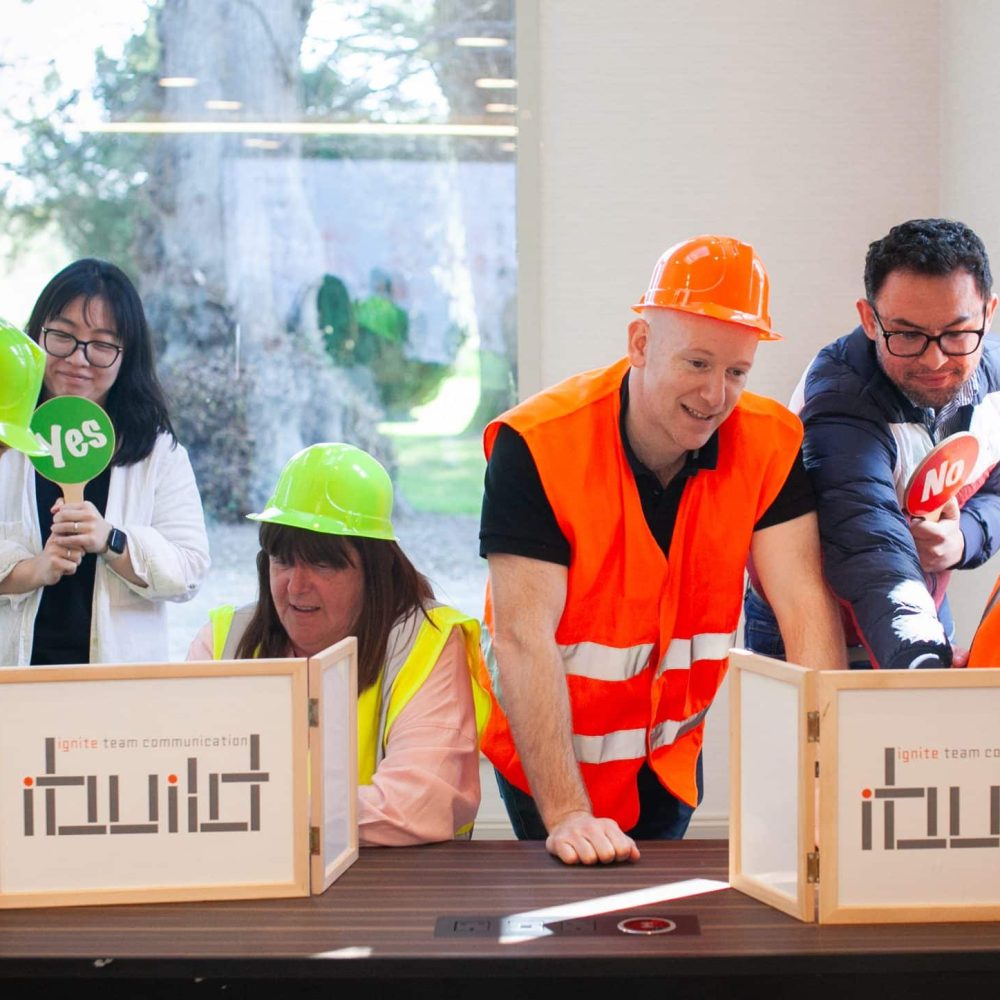
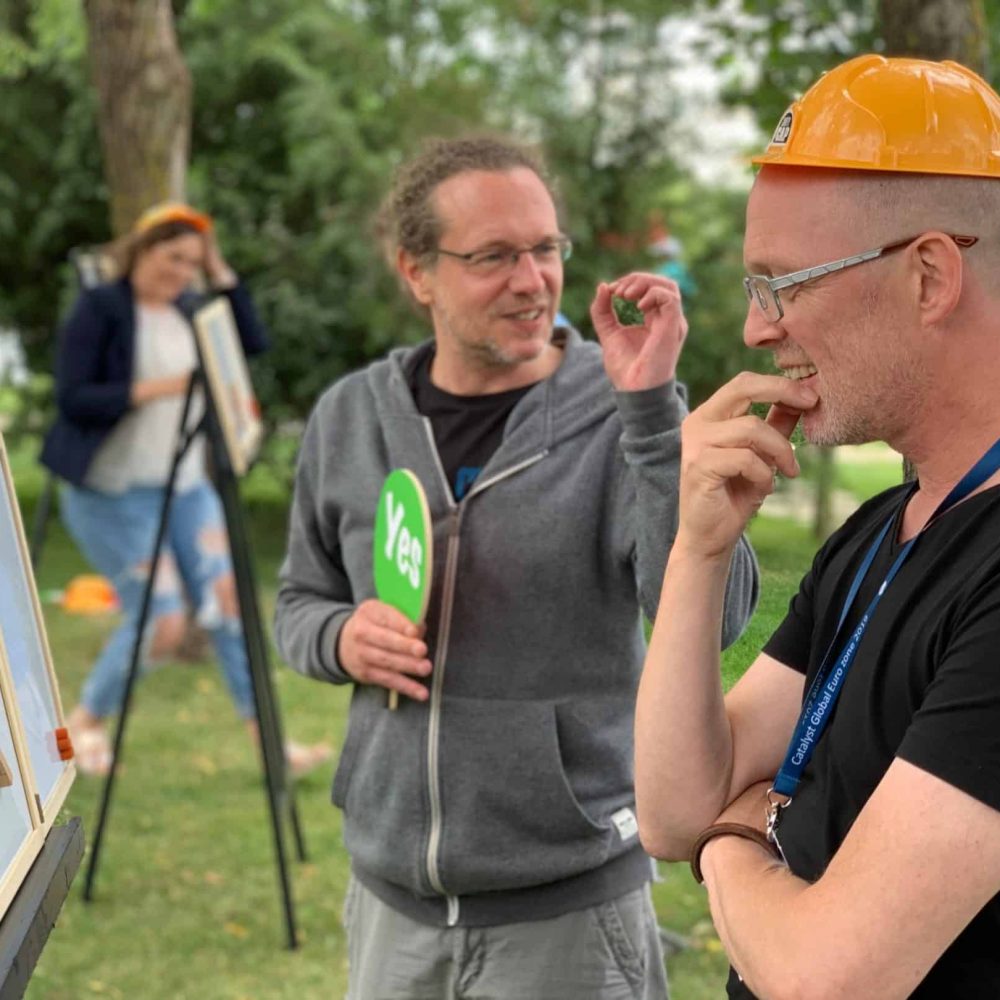
At Orangeworks, this is why active listening is a core focus of our Communications workshops, particularly through our experiential activity, iBuild. Participants quickly discover that team success isn’t determined by who speaks the most, but by how well people listen.
One of the frameworks we use to support this learning is the RASA Listening Framework, developed by communication expert Julian Treasure, who has spent decades researching the power of conscious listening.
What is the RASA Listening Framework?
RASA provides a simple structure for active listening:
Receive — Give your full attention and be fully present.
Appreciate — Acknowledge the speaker through verbal and non-verbal cues.
Summarise — Reflect back what you’ve heard to confirm understanding.
Ask — Ask questions to clarify and deepen understanding.
RASA transforms listening from something passive into something intentional and practical.
Why Active Listening Matters in Teams
Active listening is about listening to understand, not just to respond. When people feel heard, they contribute more, collaborate more effectively, and engage more fully.
Poor listening, by contrast, leads to misunderstanding, frustration, and reduced performance. Many team challenges stem not from lack of capability, but from lack of shared understanding.
Patrick Lencioni’s model, outlined in The Five Dysfunctions of a Team, identifies the absence of vulnerability-based trust as the foundation of team dysfunction. When people don’t feel heard, trust erodes. When trust erodes, collaboration and performance suffer.
Listening is one of the simplest and most powerful ways to build that trust.
Bringing RASA to Life Through iBuild
In our Communications workshop, we introduce the RASA Listening Framework as a practical tool to help participants become more intentional in how they listen. We explore the behaviours behind Receive, Appreciate, Summarise, and Ask, and discuss how these simple actions improve clarity, reduce assumptions, and build trust within teams.
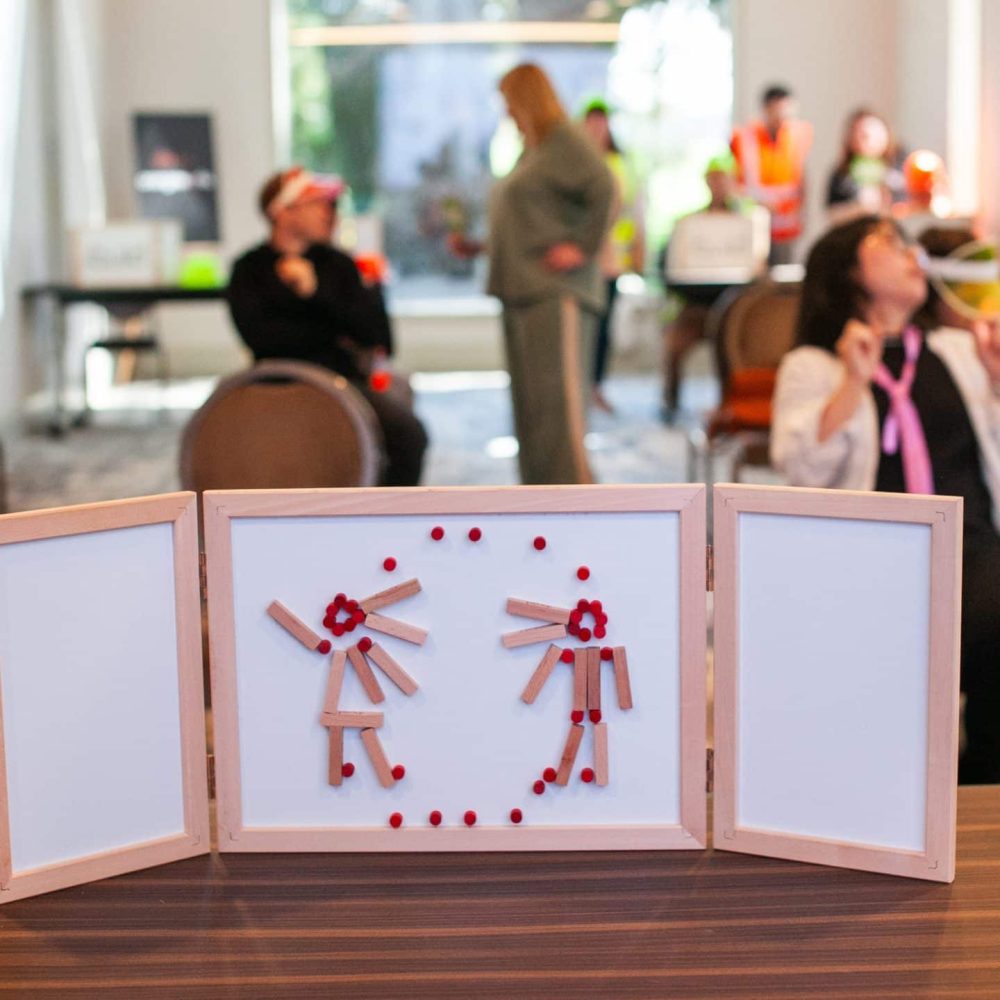
We then apply this learning through our iBuild experiential activity. iBuild is designed to make communication visible: teams must build a model replica without seeing it, and success depends on language, feedback, and step-by-step strategy — exactly the environment where listening behaviours either show up or fall apart. As teams work together under pressure and constraints, the impact of listening quickly becomes clear. They can see the difference between good intentions and demonstrated skill in minutes — and they leave with behaviours they can repeat under real workplace pressure.

Active listening is one of the most practical and powerful skills any leader or team member can develop. It strengthens relationships, improves collaboration, and creates the trust that underpins high performance.
The RASA framework provides a simple way to practice listening with intention.
Because when people truly listen to each other, teams don’t just communicate better — they perform better.
If you’re interested in exploring how experiential learning can help your team build these skills in a practical and memorable way, contact us via the button below. Explore our full range of workshops here.